
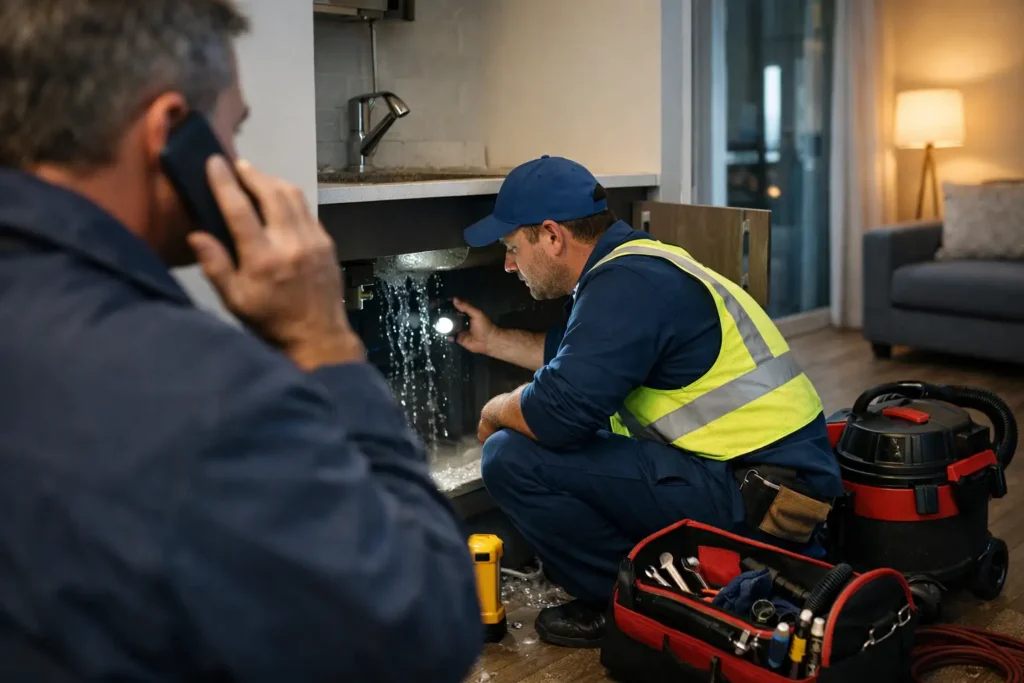
A tenant calls at 11:30 p.m. because water is pouring through the kitchen ceiling. The question is not whether the repair is inconvenient or expensive. The immediate question is how quickly the situation can be made safe, who needs to attend, and how the property will be protected from further damage. For landlord emergency maintenance responsibilities Ontario owners face, a prompt, organized response is part of protecting both the tenancy and the investment.
Emergency maintenance is one of the clearest tests of a rental operation. A landlord who has reliable contractors, accurate tenant contact information, clear authorization limits, and a documented response process can act decisively. Without those systems, a small leak, heating failure, or electrical hazard can quickly become a larger repair, an unhappy tenant, and a preventable dispute.
What Counts as an Emergency Maintenance Issue?
Not every repair request is an emergency, even when it is frustrating for a tenant. An emergency generally involves an immediate risk to health, safety, security, or the property itself. The exact circumstances matter, but the most common examples include a major active leak or flood, no heat during cold weather, a gas smell, an electrical hazard, a sewage backup, a fire-related issue, or a broken exterior door or lock that leaves the home unsecured.
A failed refrigerator, a dripping faucet, or a non-functioning dishwasher may require attention, but usually not a middle-of-the-night dispatch. That distinction is practical, not dismissive. Tenants need to know which situations require an emergency call and which should be submitted through the standard maintenance process. Clear expectations help prevent unnecessary after-hours costs while ensuring real hazards receive the right response.
Landlords should also consider the condition of the home and the tenant’s circumstances. No heat in January is clearly urgent. The same issue in mild weather may still require timely service, but the response window can differ. A loose handrail may not require a 2 a.m. contractor visit, yet it should not wait weeks because it presents a safety concern.
Landlord Emergency Maintenance Responsibilities in Ontario
Ontario landlords are responsible for keeping rental premises in a good state of repair and fit for habitation, while complying with applicable health, safety, housing, and maintenance standards. This duty applies even if a tenant knew about a repair issue before moving in or signed a lease containing language that attempts to shift basic repair obligations to them.
In an emergency, that responsibility means taking reasonable, timely steps to stop the hazard, prevent additional damage, and restore essential services or safe living conditions. It does not always mean completing a permanent repair immediately. A plumber may need to stop a leak overnight and return later to replace damaged piping. A restoration company may first extract water and set drying equipment before repairs to drywall, flooring, or cabinets can begin.
The key is that the landlord cannot simply leave an urgent condition unresolved. Delays can increase property damage, create health and safety concerns, and expose the owner to complaints or legal consequences. They can also undermine tenant confidence and make a good tenancy harder to retain.
Tenants also have responsibilities. They must not deliberately or negligently cause undue damage, and they should report problems promptly. If a tenant notices a leak and waits days to report it, that delay may worsen the loss. Still, landlords should focus first on mitigation and documentation rather than trying to assign blame before the property is safe.
Essential services require special attention
Heat, electricity, hot water, and water supply are not ordinary amenities. A disruption may create an urgent habitability issue, particularly when weather conditions, household needs, or the duration of the outage make the home unsafe or unusable.
A landlord should have current contact information for qualified heating, plumbing, electrical, restoration, and locksmith professionals before an emergency occurs. Waiting until a tenant calls to search for available help often turns a manageable issue into a prolonged disruption. For multi-unit owners, knowing where shutoff valves, electrical panels, and mechanical equipment are located is equally important.
Accessing the Rental Home During an Emergency
Ontario’s usual rules around advance notice for entry recognize that emergencies are different. Where there is an urgent situation, such as flooding, fire risk, a gas leak, or another immediate threat, a landlord may need to enter without providing the standard written notice.
That authority should be used responsibly. Enter only to address the emergency, keep a clear record of why entry was necessary, and communicate with the tenant as soon as practical. If a contractor attends first, confirm that the contractor understands the scope of the work and the need to respect the tenant’s home and belongings.
When the issue is urgent but not immediate, it may be possible to arrange entry with the tenant rather than relying on emergency access. Good judgment matters. The goal is not to use an emergency as a shortcut around tenant privacy. It is to prevent harm and preserve the property when waiting would be unreasonable.
A Practical Response Plan for Rental Owners
A dependable emergency response begins long before the phone rings. Owners should give tenants one clearly defined method for reporting after-hours emergencies, along with examples of what qualifies. If tenants are unsure whether to call, they should be encouraged to report a potentially serious problem rather than ignore it.
When an emergency is reported, start by gathering the facts: What happened? Is anyone in danger? Is water still flowing? Is there a smell of gas, smoke, or burning? Has the tenant contacted emergency services when appropriate? This initial triage helps determine whether the tenant should leave the home, shut off a valve, avoid an affected area, or wait for a contractor.
Next, dispatch the appropriate qualified professional. Owners should avoid asking tenants to perform repairs they are not trained or authorized to complete. A tenant can reasonably move belongings away from a leak or use a bucket to contain water, but they should not be expected to handle electrical wiring, gas equipment, or significant plumbing failures.
Finally, document the entire sequence. Keep the original report, call times, photos or videos, contractor findings, invoices, and repair recommendations. If the incident leads to an insurance claim, a tenant dispute, or a later issue with recurring damage, accurate records will matter.
Protecting the Property After the Immediate Repair
Stopping the emergency is only the first stage. Water damage may require moisture testing, drying equipment, mold prevention, and repairs behind walls or under flooring. A sewage backup may require professional cleaning and sanitation. A broken furnace may reveal that maintenance records, filters, or aging equipment need closer attention.
This is where owners can lose sight of the larger investment picture. A quick patch may restore a basic function, but it may not address the cause of the problem. Ask the contractor whether a permanent repair, system upgrade, or preventative improvement is recommended. The right choice depends on the age of the component, the likelihood of repeat failures, expected vacancy timing, and the property’s long-term rental position.
For example, replacing a failing water heater may cost more than another repair, but repeated failures can cause tenant disruption and expensive water damage. Similarly, upgrading an old shutoff valve during a plumbing repair may be a modest addition that prevents a much larger future loss.
Communication Keeps Emergencies From Becoming Disputes
Tenants do not expect every problem to be fixed instantly. They do expect to know that their home and safety are being taken seriously. A short update after a contractor is dispatched, followed by a realistic timeline for next steps, can reduce stress significantly.
Be direct if drying, parts ordering, insurance review, or follow-up repairs will take time. Explain what is being done, what the tenant needs to do, and when they can expect another update. Avoid promising completion dates that depend on parts availability or contractor schedules.
For owners managing from a distance, this communication can become a major burden. A full-service manager such as The Rental Formula can coordinate after-hours calls, contractor access, repair updates, and documentation while keeping the owner informed of material decisions and costs. The value is not simply answering a phone. It is making sure the response protects the tenant, the home, and the owner’s records.
Build the System Before You Need It
Emergency maintenance cannot be eliminated, but its impact can be controlled. Seasonal inspections, furnace servicing, roof and plumbing checks, smoke and carbon monoxide alarm testing, and prompt attention to small leaks all reduce the chance of a larger incident.
Owners should also review their emergency contact list regularly, confirm that contractors are properly qualified and available, and keep insurance information accessible. Most importantly, tenants should know exactly how to report an urgent issue without having to search through an old email or lease at a stressful moment.
A well-managed emergency response protects more than drywall, flooring, or mechanical equipment. It shows tenants that the home is cared for and gives landlords the confidence that a late-night call will be handled with calm, documented, professional action.