
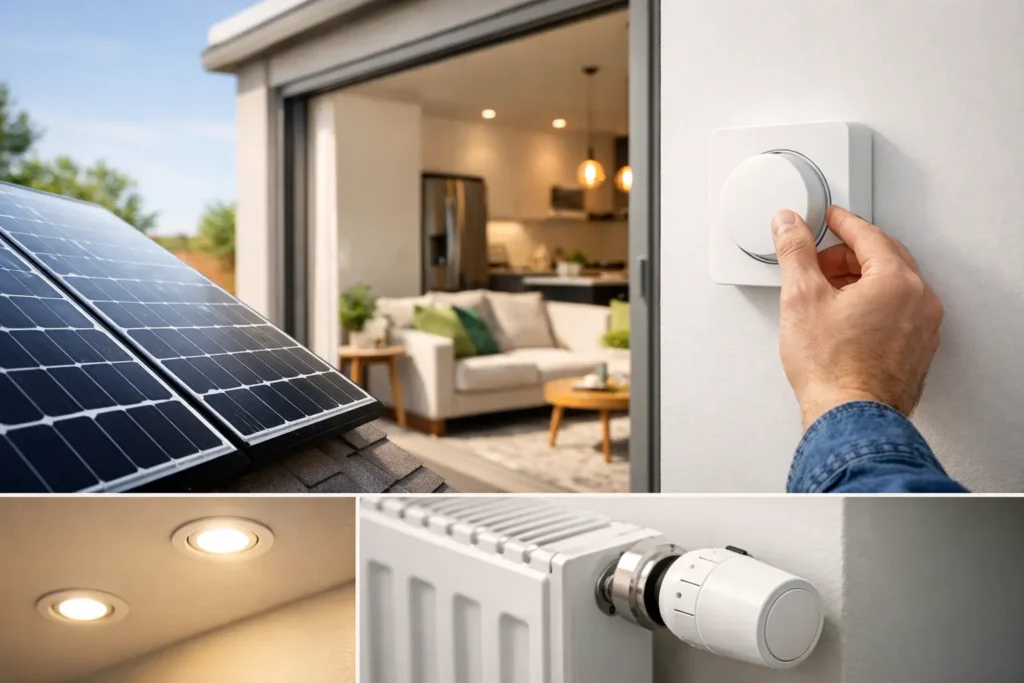
A furnace that runs constantly, condensation on windows, and a tenant reporting uneven room temperatures are not small inconveniences. They are often early signs that the home is costing more to operate than it should. Well-planned energy efficient upgrades for a rental property can reduce avoidable utility use, improve tenant comfort, and protect the condition and rental appeal of the asset.
For landlords, the goal is not to chase every new product or renovate solely for a marketing label. The right improvements solve real operating problems, fit the property’s age and condition, and make financial sense over the expected hold period. Some upgrades create immediate savings; others protect against moisture, premature equipment failure, turnover complaints, and vacancy risk.
Start With the Property’s Actual Energy Problems
Before selecting upgrades, identify where the building is losing energy or creating discomfort. A tenant may describe a unit as “cold,” but the underlying issue could be air leakage around windows, insufficient attic insulation, an aging heating system, poorly sealed ductwork, or an exhaust fan that is not clearing moisture.
A practical assessment begins with maintenance records, utility bills when available, inspection notes, and tenant feedback. Look for recurring service calls involving drafts, high humidity, ice buildup, inconsistent temperatures, tripped breakers, or equipment that runs longer than expected. These patterns help distinguish a cosmetic concern from a building-performance issue.
For a larger renovation or a property with persistent comfort problems, a professional energy assessment can be worthwhile. It can identify air leakage, insulation gaps, ventilation concerns, and equipment inefficiencies that are not obvious during a standard walk-through. This is especially useful in older homes across Hamilton, Burlington, Oakville, and the Niagara region, where construction details can vary widely from one property to the next.
Prioritize Energy Efficient Upgrades for Rental Property Returns
Not every improvement needs to happen at once. A sensible plan usually starts with lower-disruption work that addresses the biggest sources of waste, then coordinates larger capital projects with turnovers or planned renovations.
Seal air leaks and improve insulation
Air sealing and insulation are often less visible than new appliances or windows, but they can have a larger effect on comfort and heating costs. Gaps around exterior doors, window frames, plumbing penetrations, attic hatches, and electrical openings allow conditioned air to escape. In colder climates, those gaps can also contribute to drafts, condensation, and ice dam concerns.
Attic insulation is frequently one of the strongest places to start, particularly when the existing level is thin, uneven, or disturbed by previous work. The work should be paired with appropriate air sealing and ventilation planning. Adding insulation without addressing moisture movement or attic ventilation can create new issues rather than solving old ones.
For tenants, the benefit is straightforward: rooms feel more consistent, and the heating or cooling system does not need to work as hard to maintain the set temperature. For landlords, that can mean fewer comfort-related complaints and better protection for finishes and building components.
Upgrade heating, cooling, and water-heating equipment at the right time
An aging furnace, boiler, air conditioner, water heater, or heat pump can become an expensive liability when it loses efficiency or begins requiring repeated repairs. Replacing equipment proactively is not always necessary, but waiting for a failure during peak heating or cooling season can leave a landlord making a rushed decision under pressure.
When equipment is near the end of its useful life, compare repair history, energy use, capacity, and expected replacement cost. Proper sizing matters. An oversized system can cycle too frequently, while an undersized system may struggle to maintain comfort and wear out sooner. Installation quality, controls, duct condition, and regular servicing all affect performance.
The split of utility responsibility also matters. If the tenant pays utilities, an efficient system may not create a direct monthly saving for the owner. It can still improve the home’s marketability, reduce tenant frustration, and support longer tenancies. If utilities are included in rent, the operating-cost case is usually more immediate.
Choose efficient appliances where they support the rental strategy
Appliances are a practical upgrade during a turnover, especially when an existing refrigerator, dishwasher, laundry machine, or range is unreliable. Efficient models can reduce electricity and water use, but landlords should balance those savings with durability, repairability, and tenant needs.
A premium appliance with complicated controls may not be the best choice for every rental. In many properties, a dependable mid-range model with readily available parts is the stronger long-term decision. Consider the number of occupants, laundry frequency, available electrical capacity, and the property’s rent level before selecting features.
For properties where the landlord covers water, high-efficiency laundry equipment and dishwashers may offer meaningful savings. Where tenants pay their own utilities, these upgrades can still be a differentiator when two similar rental homes are competing for qualified applicants.
Improve lighting, controls, and ventilation
LED lighting is one of the simplest upgrades to complete during routine maintenance or a turnover. It reduces electricity use and replacement frequency, which is particularly helpful in common areas, exterior fixtures, stairwells, basements, and hard-to-reach locations. Select appropriate brightness and color temperature so the home feels clean and functional rather than dim or overly harsh.
Smart thermostats can also help, but they are not a universal answer. They work best when heating and cooling equipment is compatible, internet access is reliable, and the lease clearly establishes who manages the account and settings. A simple programmable thermostat may be a better choice in some rentals.
Do not overlook bathroom and kitchen ventilation. Properly functioning exhaust fans help control moisture, reduce condensation, and protect paint, drywall, cabinetry, and window areas. Energy performance is not only about reducing utility use. It is also about preventing the building damage that follows poor humidity control.
Plan Work Around Turnovers and Capital Cycles
Vacant periods are usually the best time to complete disruptive upgrades. Contractors can access attics, mechanical rooms, walls, and electrical panels without coordinating around a tenant’s schedule. The work can also be bundled with painting, flooring, kitchen refreshes, or other turnover tasks to reduce repeated labor and disruption.
That does not mean delaying urgent issues until a tenancy ends. A failing water heater, unsafe electrical condition, major air leak, or chronic moisture problem should be addressed promptly. But for planned improvements, a written capital plan helps landlords avoid reactive spending.
Track the age, condition, repair history, and expected replacement window for major systems. Then rank projects by urgency, expected operating impact, tenant benefit, and effect on property preservation. This creates a clearer path for deciding whether a repair, targeted upgrade, or full replacement is appropriate.
Protect the Investment During Installation
Energy upgrades can deliver poor results when installation is rushed or poorly coordinated. A new furnace will not perform as expected if ducts leak. New windows may still allow drafts if surrounding gaps are not sealed correctly. Insulation work can be compromised if roof leaks or ventilation issues are left unresolved.
Use qualified contractors, confirm the scope of work, and keep documentation for equipment, warranties, permits where required, and maintenance recommendations. After completion, inspect the work and verify that tenants understand any new controls, filters, or operating procedures. Clear communication reduces accidental misuse and unnecessary maintenance requests.
The Rental Formula can coordinate RENToVation projects alongside routine property care, helping owners time upgrades around turnovers, oversee contractors, and keep the property ready for reliable tenants.
Measure More Than the Utility Bill
A successful project is not judged only by lower electricity or gas use. Review whether the property has fewer comfort complaints, fewer maintenance calls, better humidity control, more consistent temperatures, and stronger tenant feedback. For landlord-paid utilities, compare usage over similar seasons while accounting for occupancy and weather differences.
Also consider the rental position of the home. An efficient, comfortable property with reliable systems can photograph and show better, support a cleaner turnover, and give prospective tenants another reason to choose it over a comparable rental. The return may come from a combination of lower operating costs, reduced repair pressure, improved retention, and better asset preservation.
The most valuable upgrades are the ones that make ownership more predictable. Start with the conditions that are creating waste or complaints, complete the work to a professional standard, and build future improvements into the property plan before they become urgent.