
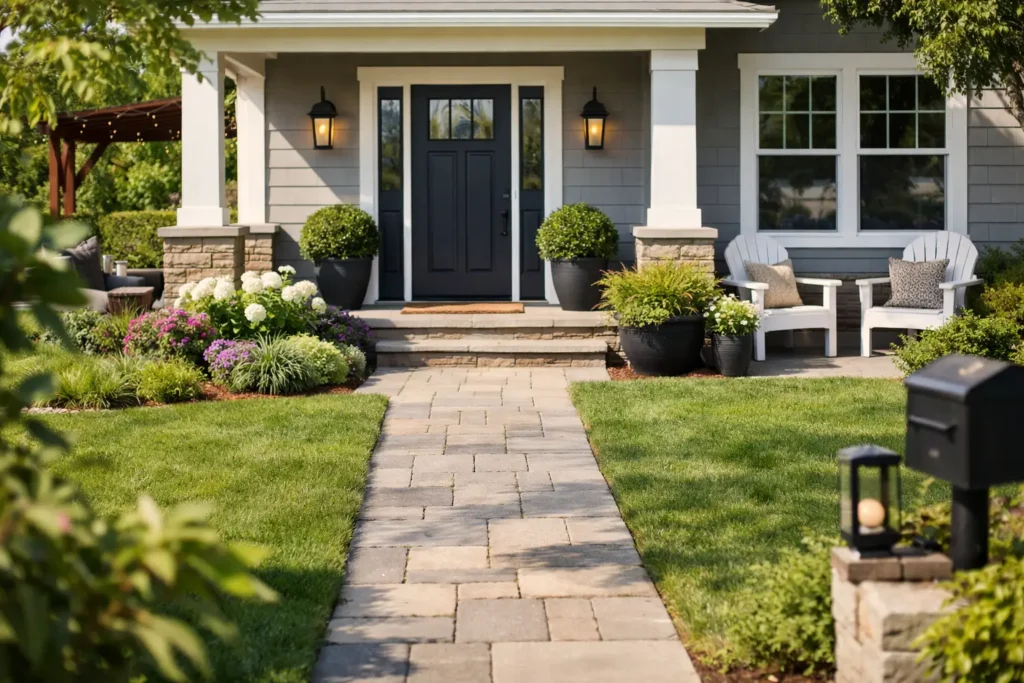
A prospective tenant often decides how they feel about a rental before they reach the front door. An overgrown walkway, peeling trim, or a cluttered entry can suggest deferred maintenance, even when the interior is clean and well maintained. The right rental property curb appeal ideas help your home photograph better, stand out during showings, and signal that the property is professionally cared for.
For landlords, curb appeal is not about creating a high-maintenance showpiece. It is about making targeted improvements that support faster leasing, stronger tenant confidence, and long-term asset protection. The best choices are durable, easy to maintain, and appropriate for the rent level and neighborhood.
Why Curb Appeal Matters Before a Showing
Online rental listings compete for attention in seconds. Exterior photos are frequently the first image a prospect sees, and a neglected front elevation can reduce showing requests before a tenant has reviewed the kitchen, bedrooms, or lease terms. A clean, welcoming exterior gives qualified renters a reason to take the next step.
Curb appeal also affects the quality of tenant you attract. Renters who value a tidy, well-managed home are more likely to respond positively to a property that looks cared for from the street. While exterior improvements cannot replace thorough screening, they help position the home for tenants who appreciate and respect a well-maintained rental.
There is also a practical maintenance benefit. Clearing drainage paths, repairing loose railings, trimming vegetation away from siding, and refreshing worn surfaces can prevent small issues from becoming costly repairs. The goal is to improve appearance while addressing the details that protect the property.
Start With the View From the Street
Before budgeting for upgrades, stand across the street and assess the property as a prospective renter would. Look at the home in daylight and again near evening, when poor exterior lighting becomes more obvious. Take a few photos as well. Photographs reveal visual clutter and worn areas that are easy to overlook when you see the property regularly.
Focus first on basic condition. The lawn should be mowed, edges defined, and weeds removed from gardens, driveways, and walkways. Dead shrubs, broken planters, damaged fencing, and visible garbage bins should be dealt with before you invest in decorative features. A simple, orderly exterior nearly always performs better than expensive landscaping surrounding neglected maintenance.
For multi-unit properties, consistency matters. Matching planters, clear unit numbers, working exterior lights, and an organized waste area make the building feel managed rather than improvised. This helps tenants understand that there is a system behind the property.
1. Refresh the Front Door and Trim
The front door is a natural focal point, making it one of the most cost-effective places to improve curb appeal. A fresh coat of paint, a clean handle set, and a functioning lock can change the impression of an entry quickly. Choose a color that complements the exterior and suits the property type. Deep blue, charcoal, black, or a restrained green often work well, but the best option depends on the siding, brick, and neighborhood character.
Do not stop at the door itself. Repaint peeling trim, replace cracked weatherstripping, and make sure the threshold is secure. These details improve both presentation and weather resistance. If the door is badly warped or damaged, replacement may be more sensible than repeated cosmetic repairs.
2. Make Address Numbers Easy to Read
Clear, modern house numbers are a small upgrade with a real operational benefit. They help prospective tenants, delivery drivers, emergency responders, and maintenance vendors find the home without confusion. Install numbers where they are visible from the street and ensure they contrast with the exterior surface.
This is especially valuable for duplexes, basement apartments, and properties with side entrances. If a tenant cannot easily identify the correct entrance during a showing, the property immediately feels less organized.
3. Improve Exterior Lighting for Safety and Showings
Good lighting creates a more welcoming arrival and helps tenants feel secure when coming home after dark. Replace burned-out bulbs, clean cloudy fixtures, and install lighting that adequately covers the front door, walkway, driveway, and side access points.
Warm LED lighting is generally a practical choice because it uses less energy and requires fewer replacements. Motion-sensor lights can work well near side gates, garages, and rear entrances, but avoid placing them where frequent activation will disturb tenants or neighbors. Lighting should improve visibility, not make the property feel overly harsh or exposed.
4. Repair the Walkway, Steps, and Railings
A cracked walkway or loose handrail is more than a curb appeal issue. It can create a safety concern and potential liability. Repair uneven paving, fill significant driveway cracks where appropriate, stabilize steps, and confirm that railings are secure.
For older properties, this work may need to take priority over cosmetic updates such as mulch or decorative planters. A safe, clean path to the front door communicates responsible ownership far more effectively than landscaping alone.
Rental Property Curb Appeal Ideas for Landscaping
Landscaping should frame the property, not become a recurring source of tenant frustration or owner expense. The most successful rental landscaping is simple, tidy, and designed around reliable plants rather than constant seasonal attention.
Use mulch to define garden beds and reduce weed growth. Trim shrubs below windows, away from walkways, and clear of HVAC equipment. Choose hardy perennials, ornamental grasses, or compact evergreen shrubs that suit the local climate and do not require frequent pruning. In areas with cold winters, plan for how the property will look after annual flowers fade and snow arrives.
Avoid large gardens that require specialized care unless the property commands a premium rent and a maintenance plan is already in place. Elaborate landscaping can become an expense during turnovers and may lead to disagreements about tenant responsibilities. If tenants are expected to handle lawn care or snow removal, state those obligations clearly in the lease and provide realistic expectations.
A few containers near the entrance can add color during leasing season, but they should not be relied on as the only improvement. They need watering, seasonal replacement, and removal when worn. Permanent structure and clean maintenance deliver better long-term value.
5. Clean Siding, Gutters, and Hard Surfaces
Dirt buildup can make a sound property appear neglected. Pressure washing or soft washing, when used appropriately for the material, can refresh siding, brick, porches, decks, fences, and concrete. Clean gutters and downspouts at the same time, especially where overflowing water has stained the exterior or damaged landscaping.
Use care with older surfaces. Aggressive pressure washing can damage wood, loosen mortar, or force water behind siding. The right cleaning method depends on the building material and its condition. When in doubt, use a qualified contractor rather than turning a routine cleanup into a repair project.
6. Conceal the Necessary Visual Clutter
Every rental has practical elements that are not attractive: garbage bins, utility meters, air-conditioning units, hoses, and recycling containers. You do not need to hide everything completely, but you can reduce the visual impact.
A modest enclosure for bins, a hose reel, and neat screening around equipment can make the exterior feel more intentional. Maintain required access and ventilation around utility equipment, and do not place combustible materials near mechanical systems. The solution should remain easy for tenants and service providers to use.
Spend Where Tenants Will Notice
Not every exterior project produces the same return. In most rental homes, prioritize cleanliness, safety, paint, lighting, landscaping, and entry hardware before considering expensive upgrades. A new front door may make sense if the current one is damaged or inefficient. Replacing a perfectly functional driveway simply for appearance may not, unless its condition is affecting safety, drainage, or marketability.
The appropriate budget depends on the expected rent, local competition, and the property’s current condition. A higher-end home in Oakville or Burlington may benefit from more refined planting, upgraded fixtures, and a polished entrance. A practical family rental in Hamilton, Stoney Creek, or Niagara may see a better return from durable repairs, clear lighting, and a clean, low-maintenance yard.
Keep receipts, before-and-after photos, and a maintenance record for exterior work. This helps you track capital improvements, plan future turnovers, and identify recurring issues before they become more serious. It also makes it easier to assess whether an upgrade contributed to faster leasing or improved rental positioning.
Build Curb Appeal Into Every Turnover
The best time to complete exterior work is usually during turnover, when access is easier and the property can be photographed at its best. Schedule exterior checks alongside interior cleaning, repairs, and marketing preparation. Waiting until the listing is live can delay photography and create unnecessary pressure before showings.
A professional management team can coordinate these details so landscaping, repairs, cleaning, and tenant placement move in the right order. The Rental Formula approaches turnover work as part of protecting the property and preparing it to earn, not as a last-minute cosmetic task.
A rental should look cared for before a prospective tenant ever asks about the rent. Give them a safe path, a clean entrance, and clear evidence that the home is managed with attention. That first impression supports the kind of tenancy and long-term property care every landlord wants.