
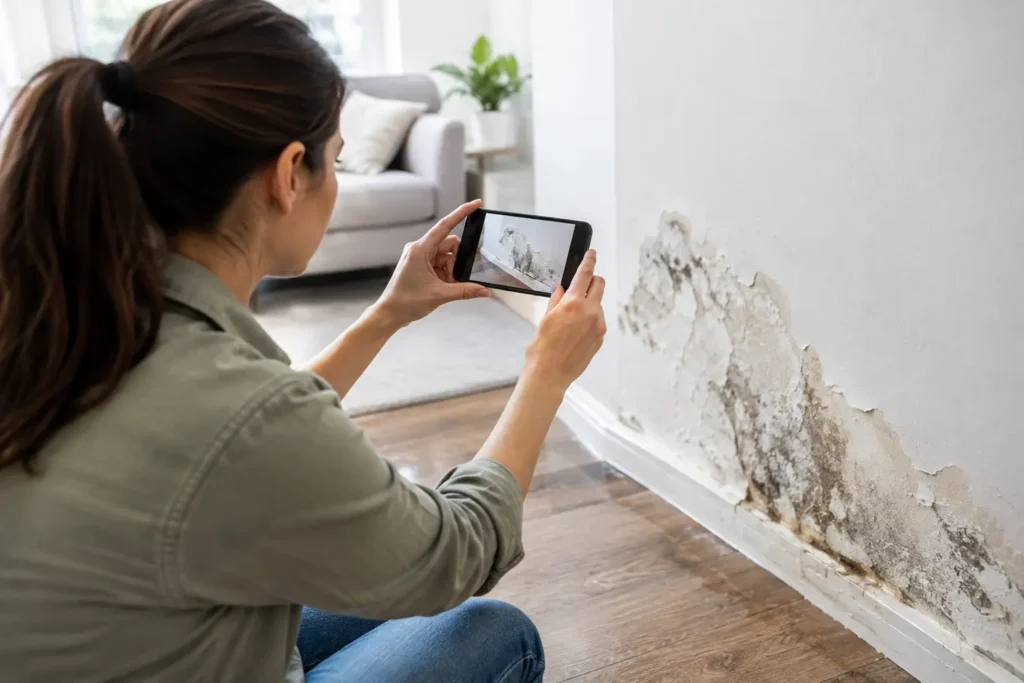
A small water stain can become a costly dispute when no one can say when it appeared, what caused it, or how quickly it was reported. Knowing how to document property damage gives landlords a clear record to guide repairs, communicate fairly with tenants, and protect the condition and income potential of a rental home.
The strongest documentation is not dramatic. It is timely, organized, factual, and complete enough that a third party can understand what happened without filling in gaps. Whether you own one rental home or a growing portfolio, a consistent process turns a stressful repair issue into a manageable operational task.
Start With a Baseline Before a Tenant Moves In
Damage documentation begins before there is damage. A detailed move-in condition record establishes the standard against which future changes can be measured. Without it, normal wear, a pre-existing issue, and tenant-caused damage can easily be confused.
Complete the inspection after the property is rent-ready and before the tenant receives possession. Walk through every room, exterior area, appliance, fixture, window, floor, and storage space. Take wide photos that show the full area, then close-up photos of existing marks, chips, stains, worn flooring, or other defects. Video can add useful context, but it should support photos and written notes rather than replace them.
Your written report should identify the location and condition plainly. “Bedroom two, north wall: two small nail holes near closet” is more useful than “wall has minor damage.” Record appliance makes and serial numbers when practical, along with meter readings, keys, remotes, garage openers, and any supplied furniture.
Have the tenant review the move-in report and provide a reasonable opportunity to flag items you may have missed. Their acknowledgment does not mean every future disagreement disappears, but it creates a shared starting point. Keep the signed report, photos, and any tenant comments in the property file.
How to Document Property Damage When It Is Reported
When a tenant reports damage, respond promptly and separate the immediate safety issue from the documentation task. A burst pipe, active leak, electrical concern, broken exterior door, or damaged window may require emergency action first. Do not delay mitigation while waiting for perfect photos. At the same time, capture what you can safely before cleanup or repairs change the scene.
Ask the tenant to report the issue in writing and send clear photos or video. Their message should include when they first noticed the problem, what they observed, whether the condition is getting worse, and whether anyone may be at risk. This initial account can be valuable later, particularly for water events where timing matters.
Once you or a qualified contractor inspect the property, create your own dated record. Focus on observable facts rather than assumptions. Note the room, the exact location, visible condition, apparent extent, and any immediate steps taken. For example: “Water visible beneath kitchen sink cabinet. Cabinet base is swollen. Supply line appears to be leaking. Water shut off at valve at 10:20 a.m.; plumber dispatched.” Avoid writing that a tenant was careless unless the evidence clearly supports that conclusion.
For a consistent damage file, include these distinct records:
- The tenant’s original report, including the date and time received
- Dated photos and video showing the wider area and close-up detail
- Inspection notes that describe what was observed and what action was taken
- Contractor findings, estimates, invoices, and repair photos
- Written communication with the tenant about access, repairs, and next steps
Photograph the same area again after mitigation and after the final repair. Before-and-after images help show the scope of work and demonstrate that the property was restored appropriately.
Take Photos That Can Actually Support Your Record
A single close-up photo of a damaged wall or appliance rarely tells the whole story. Start with a wide shot that identifies the room, then move closer to capture the affected area. Include a reference point when helpful, such as a tape measure beside a crack, a full appliance panel, or the surrounding flooring near a stain.
Use good lighting and avoid filters, markup, or edits that change the original image. Preserve the original files in addition to any annotated copies used for internal reference. Most phones retain date and time information, but do not rely on metadata alone. Your inspection notes and file names should also identify the property, unit, room, and inspection date.
Video is especially useful for issues involving sound, movement, or flow, such as a running toilet, an active leak, a malfunctioning garage door, or water entering around a window. Keep videos short and purposeful. Narrate only what you can observe: the location, date, and condition. Speculation can weaken an otherwise useful record.
Respect privacy while documenting an occupied home. Give proper notice before non-emergency entry as required in your jurisdiction, photograph the damage rather than personal belongings whenever possible, and avoid sharing tenant images or private information unnecessarily. Professional documentation should protect everyone involved.
Use Written Records to Build a Clear Timeline
Photos show condition. Written records explain sequence. This distinction matters when determining responsibility, coordinating insurance, responding to a complaint, or deciding whether a charge is justified at move-out.
Keep all relevant communication in one place. If a tenant first sends a text about a leak, confirm the key details through your standard written channel. Log when the report came in, when access was requested, when entry occurred, which vendor attended, and when the repair was completed. Save estimates and invoices even when a repair seems routine.
A useful maintenance note answers five questions: What was reported? What did the inspection show? What action was taken? Who completed the work? What was the result? This format keeps the record objective and prevents important details from being lost in long message threads.
For recurring issues, document each event separately. Repeated moisture near the same window, repeated clogged drains, or repeated unauthorized alterations may reveal a larger maintenance or tenancy issue. A clean timeline helps determine whether the right response is a repair, further investigation, tenant education, or formal notice.
Distinguish Damage From Normal Wear
Not every change at move-out is chargeable damage. Paint that has faded over time, carpet wear from ordinary use, minor scuffs, and aging appliances may be normal wear depending on the property’s condition, the length of the tenancy, and local rules. A landlord should not treat every imperfection as tenant damage.
Damage is generally a condition caused by misuse, neglect, unauthorized work, or an event that goes beyond ordinary use. Large holes in drywall, broken fixtures, missing keys, burns, unauthorized paint colors, pet-related damage, or avoidable water damage can fall into this category. But context still matters. A damaged blind may be tenant-caused, while a failed blind mechanism may simply be an aging component.
Use your move-in record, maintenance history, photos, and contractor findings to make the distinction. If you intend to make a deduction from a security deposit or pursue reimbursement, follow the notice, timing, itemization, and recordkeeping requirements that apply where the property is located. Local landlord-tenant rules vary, so documentation should support the process, not replace legal guidance.
Make Move-Out Documentation as Thorough as Move-In
The move-out inspection is where a complete file pays off. Compare each room to the move-in condition report, account for normal wear, and document any new concerns before cleaning, repainting, or turnover work begins. If possible and permitted, provide the tenant an opportunity to be present or to receive the required inspection information.
Take new wide and close-up photos using the same room-by-room order used at move-in. Record missing items, damage, required repairs, cleaning beyond normal turnover, and contractor recommendations. Do not combine unrelated costs into a vague “turnover charge.” Clear itemization is more defensible and easier for a tenant to understand.
A professional manager can bring consistency to this work by maintaining inspection standards, coordinating vendors, tracking communication, and preserving a complete property history. For landlords across the Hamilton, Halton, and Niagara markets, The Rental Formula approaches documentation as part of ongoing asset care, not a task reserved for disputes.
Store the File So You Can Find It Later
Documentation only protects you if it is accessible when needed. Create a standard digital folder for each property and organize records by tenancy and date. Use clear file names, such as “12-Main-St_Unit-2_Kitchen-Leak_2026-04-18_Wide.jpg,” rather than generic camera filenames.
Keep originals backed up in a secure system, limit access to people who need it, and retain records according to applicable legal, tax, insurance, and business requirements. A simple checklist and naming convention can save hours when an insurer, contractor, tenant, or legal professional needs a complete history.
Property damage is never a welcome part of rental ownership. A calm, documented response, however, protects the home, supports fair decisions, and gives every repair a clear path forward.