
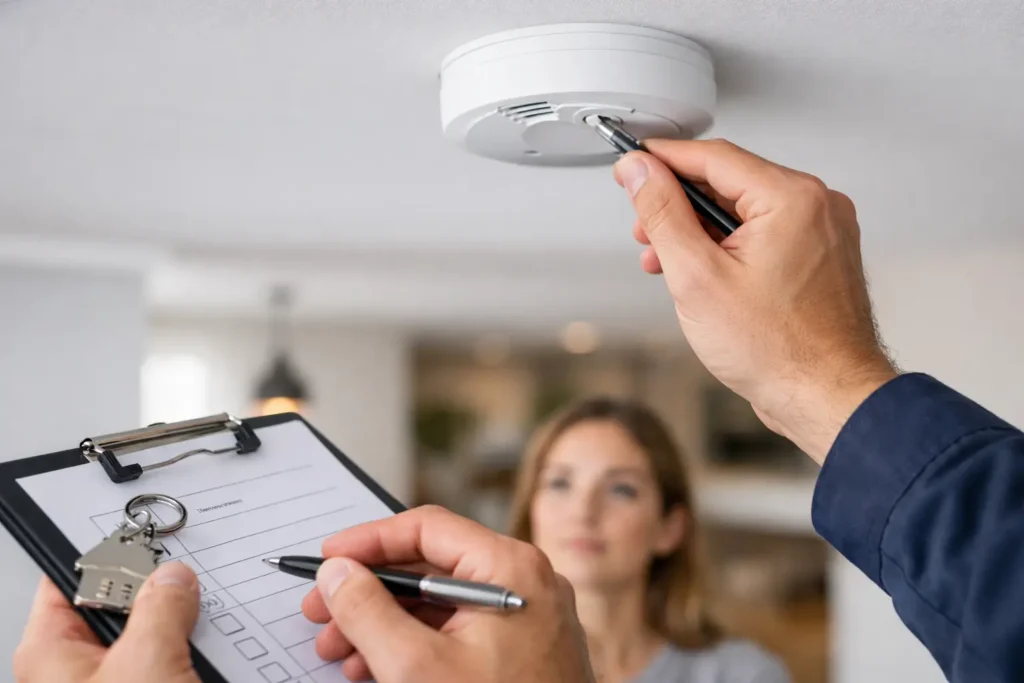
A smoke alarm that looks fine from the hallway can still fail when it is needed most. Dead batteries, disconnected wiring, painted-over units, missing alarms, and expired devices are all common findings in rental homes. For landlords, a smoke alarm inspection rental property process is not a quick box to check. It is a repeatable safety and documentation routine that protects residents, the home, and the investment.
A reliable process also keeps small issues from becoming emergency calls, disputes, or preventable liability concerns. The goal is simple: confirm that the right devices are present, operational, accessible, and properly recorded at every stage of the tenancy.
Why smoke alarm inspections belong in property operations
Smoke alarms are a life-safety system, not an ordinary maintenance item. A tenant may press the test button occasionally, but the property owner or manager still needs an organized way to verify the condition of alarms and address deficiencies. This is particularly true during turnover, after renovation work, and when maintenance teams have been working near ceilings, electrical connections, or HVAC equipment.
Requirements vary by state, municipality, building type, and local fire authority. The number of alarms required, their placement, whether they must be hardwired or interconnected, and the rules for carbon monoxide alarms can all differ. Older homes may also be subject to different upgrade requirements than newer construction. For that reason, a good inspection program follows the applicable local code and the manufacturer’s instructions rather than relying on a one-size-fits-all checklist.
From an ownership perspective, the value is also practical. An inspection record shows that safety concerns were addressed promptly. It provides a clear baseline at move-in, helps identify recurring tenant-caused damage or tampering, and creates a more organized response if a device begins chirping or activating unexpectedly.
When to schedule a smoke alarm inspection for a rental property
The strongest approach is to build inspections into normal rental operations instead of waiting for a complaint. Turnover is the best time for a full inspection because the property is vacant, every room is accessible, and repairs can be completed before the next resident receives keys.
A full review should also occur before a new tenancy begins, after substantial repairs or renovations, and at regular intervals during an occupied tenancy where local rules and lease terms permit entry. If a tenant reports a chirping alarm, a false activation, visible damage, or an alarm that will not reset, treat it as a maintenance request with a timely response. A chirp is not always just a battery issue. It can indicate end of service life, an electrical fault, contamination, or an incompatible replacement battery.
For occupied homes, provide any required notice before entering and coordinate a reasonable appointment. Clear communication matters. Let residents know that the visit is a safety inspection, explain what will be tested, and ask them to secure pets or flag any access concerns. A professional visit should feel routine and respectful, not intrusive.
What a complete inspection should verify
Pressing the test button is useful, but it is only one part of the job. It confirms that the alarm can sound and that it has power, but it may not prove the smoke-sensing chamber is fully functional. A complete review combines functional testing with a visual inspection and confirmation of the device’s age and placement.
During the inspection, the person completing the work should verify the following:
- Each required alarm is present in the correct location and has not been removed, covered, painted, or obstructed.
- The test function operates, batteries are secure where applicable, and hardwired units have power and any required interconnection works.
- The alarm is within its manufacturer-stated service life, with the installation or replacement date recorded.
- The unit is clean, securely mounted, and free from damage, persistent nuisance alarms, or signs of tampering.
Placement deserves close attention. An alarm moved into a closet, blocked by furniture, or installed too close to a steam-producing bathroom or cooking source may not perform as intended. At the same time, repeatedly moving alarms to stop nuisance alerts can create a more serious safety issue. The right answer may be proper cleaning, a device suited to the location, or a review by a qualified professional, depending on the home and local code.
Carbon monoxide alarms should be reviewed as part of the same visit when the property requires them. They serve a different purpose and should not be treated as a substitute for smoke alarms. Record their testing and replacement dates separately, especially where combination units are installed.
Document the work, not just the result
An undocumented inspection is difficult to rely on later. Landlords should maintain a simple, consistent record for each property that identifies the date, the person who performed the inspection, the device location, the test result, any deficiencies, and the action taken.
Photos can be useful at move-in and turnover, particularly when a device is newly installed or replaced. They help confirm location and visible condition without creating unnecessary paperwork. If a unit is replaced, retain the make, model, installation date, and any warranty information. If a device is hardwired, note whether electrical work was required and who completed it.
The record should also distinguish between an item corrected during the visit and an item requiring follow-up. For example, replacing a battery may close the task immediately. A missing interconnected alarm, damaged wiring, or alarm that continues to malfunction should remain open until a qualified contractor has completed the repair and the result has been verified.
Clarify landlord and tenant responsibilities
Tenants are often the first people to hear an alarm chirp or notice a problem. They should know how to report it promptly and understand that disabling, removing, or covering a life-safety device is not acceptable. Clear lease language and a move-in orientation can prevent misunderstandings before they begin.
However, putting reporting expectations on tenants does not remove the owner’s responsibility to maintain the property in accordance with applicable requirements. The most dependable system gives tenants an easy way to report concerns, responds quickly, and documents the resolution. Avoid asking residents to handle electrical repairs, replace hardwired devices, or make judgment calls about whether an alarm is safe to ignore.
A practical move-in conversation can cover three points: test alarms as directed by the manufacturer, report chirping or damage right away, and never disable an alarm because of cooking smoke or a nuisance alert. If nuisance alarms are frequent, the property manager can investigate the cause rather than leaving the tenant to improvise.
Common problems that should not wait
Some deficiencies deserve same-day attention. A missing or disabled alarm, an alarm that will not sound during testing, exposed wiring, a persistent alarm condition, or evidence that a device has been deliberately covered should be addressed promptly. If a smoke or carbon monoxide alarm activates and there is any concern about an actual emergency, residents should follow emergency procedures and contact emergency services as appropriate.
Other findings can be scheduled, but should still be tracked. These include an alarm nearing the end of its listed service life, a device that needs cleaning, a loose mounting plate, or an upgrade identified during a renovation. The trade-off is cost and timing: replacing a functioning older unit during a planned turnover may be more efficient than arranging a separate occupied-unit visit later. For a portfolio owner, standardizing compatible devices can also simplify future maintenance, provided the selected equipment meets local requirements.
Make inspections part of a wider maintenance system
Smoke alarm checks work best when they are connected to the property’s larger maintenance calendar. Pair them with turnover inspections, seasonal maintenance, filter replacements, and reviews of carbon monoxide alarms where required. That approach reduces missed tasks and gives owners a clearer picture of property condition over time.
For busy landlords, the key is not memorizing every alarm model or scheduling every entry personally. It is having a dependable system that assigns responsibility, records outcomes, and follows through until deficiencies are resolved. The Rental Formula applies that same organized approach to routine inspections and maintenance coordination, keeping owners informed while the operational details are handled professionally.
A well-maintained rental home sends a clear message to residents: their safety and comfort are being taken seriously. That kind of care supports better tenancies, protects the condition of the property, and gives landlords one less uncertainty to carry.